
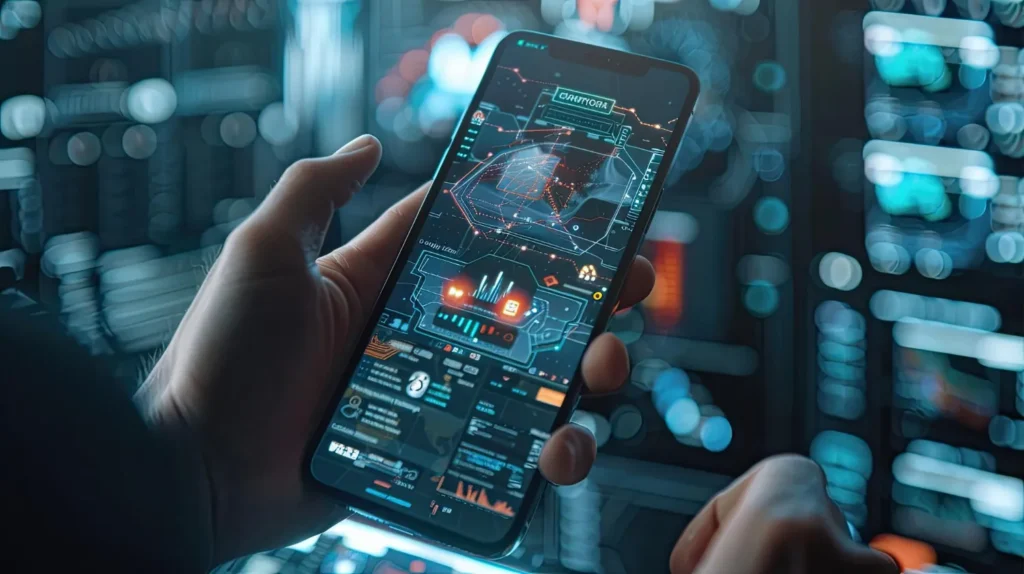
GenAI: Democratizing Creativity and Content Generation
Creative Empowerment
Scale and Efficiency
Future Applications
Quantum Computing: Unlocking Exponential Processing Power
Fundamental Aspects includes:
Speed and Efficiency:
Quantum computers excel at optimizing simulations, cryptography, and material discovery, revolutionizing industries like pharmaceuticals and logistics.
Data Security:
Scientific Breakthroughs:
Virtual Reality (VR) 2.0 and Augmented Reality (AR): Redefining Experiences
Enhanced Immersion:
Practical Applications:
Industry Impact:

5G Technology: Empowering Connectivity and RealTime Applications
The fifth generation of mobile networks, 5G, promises unprecedented data speeds, reduced latency, and enhanced connectivity. Beyond faster smartphones, 5G technology enables realtime applications such as autonomous vehicles, remote surgery, and smart cities. This network infrastructure supports the burgeoning Internet of Things (IoT) ecosystem, facilitating seamless communication between devices and driving innovation across industries.
- 5G revolutionizes data transfer, supporting real-time applications and enhancing user experiences.
- Enables smart city initiatives, optimizing resource management and enhancing urban living.
- From autonomous vehicles to telemedicine, 5G technology propels the next wave of innovation.
Revolutionizing Healthcare, Aviation, and Beyond
Artificial intelligence continues to reshape diverse sectors, revolutionizing operations and driving efficiency gains. In healthcare, AIpowered diagnostics, personalized treatment plans, and robotic surgeries improve patient outcomes and streamline clinical workflows. Aviation benefits from AIdriven predictive maintenance and autonomous flight systems, enhancing safety and operational efficiency. Moreover, AI innovations in cybersecurity and digital twins optimize industrial processes and urban planning.
Healthcare Transformation:
Aviation Innovations:
Improves flight safety through AIdriven systems and predictive maintenance algorithms.
Cybersecurity and Efficiency:
AI strengthens defenses against cyber threats while optimizing industrial operations through digital twin simulations.
IoT and Smart Cities: Enhancing Efficiency and Sustainability
DataDriven Solutions:
Duolingo
Conclusion
Effective mobile app design is a blend of art and science, where usability, aesthetics, and functionality converge to create a compelling user experience. By focusing on intuitive navigation, responsive design, performance optimization, personalization, and engaging strategies like gamification and social sharing, developers can significantly boost user engagement. Ultimately, a well-designed app not only attracts users but also retains them, driving long-term success and growth.
In the competitive world of mobile apps, user engagement remains a key differentiator. By implementing these principles and strategies, developers can create apps that users love and use regularly, thereby maximizing their app’s potential and impact.